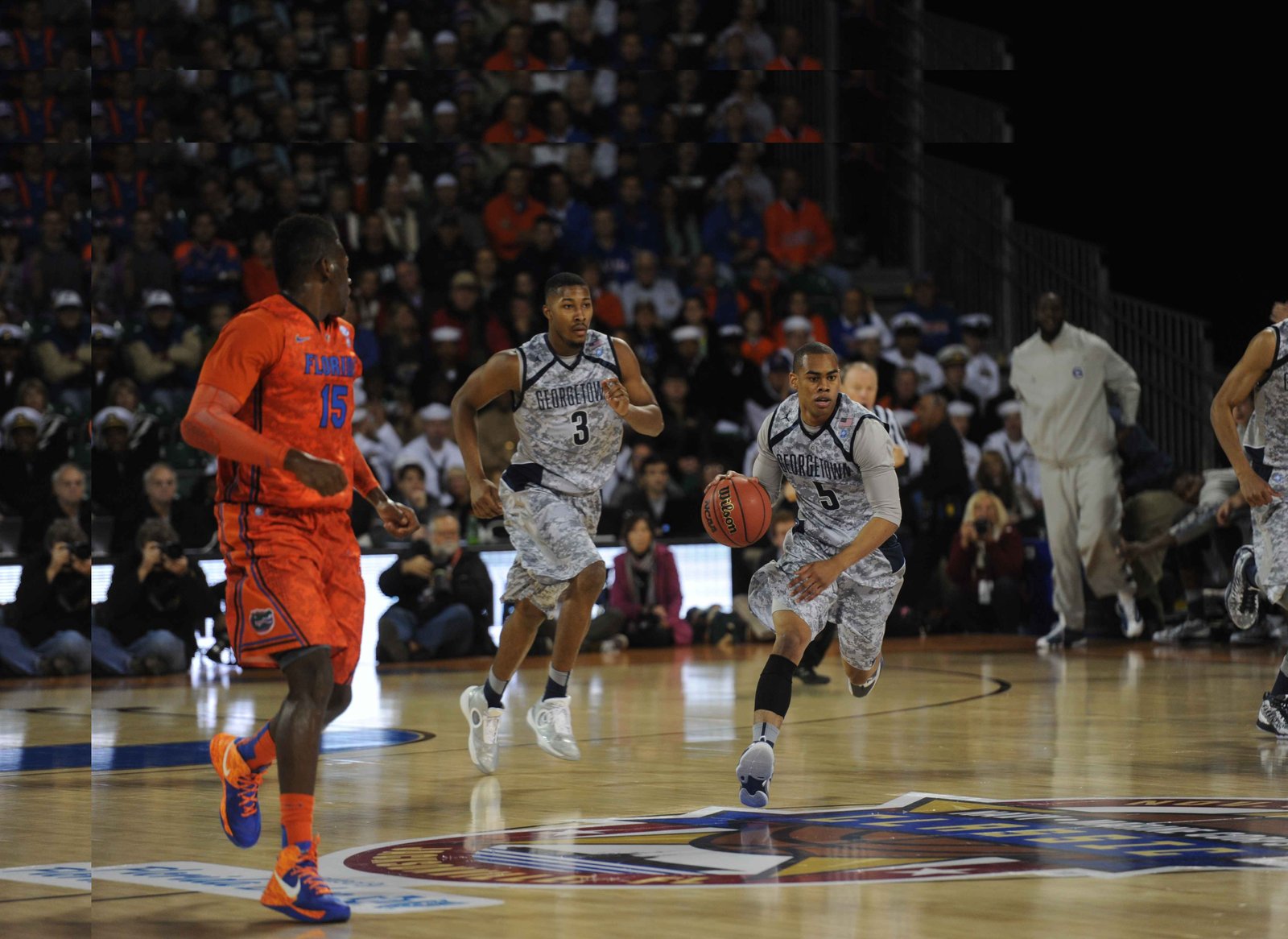
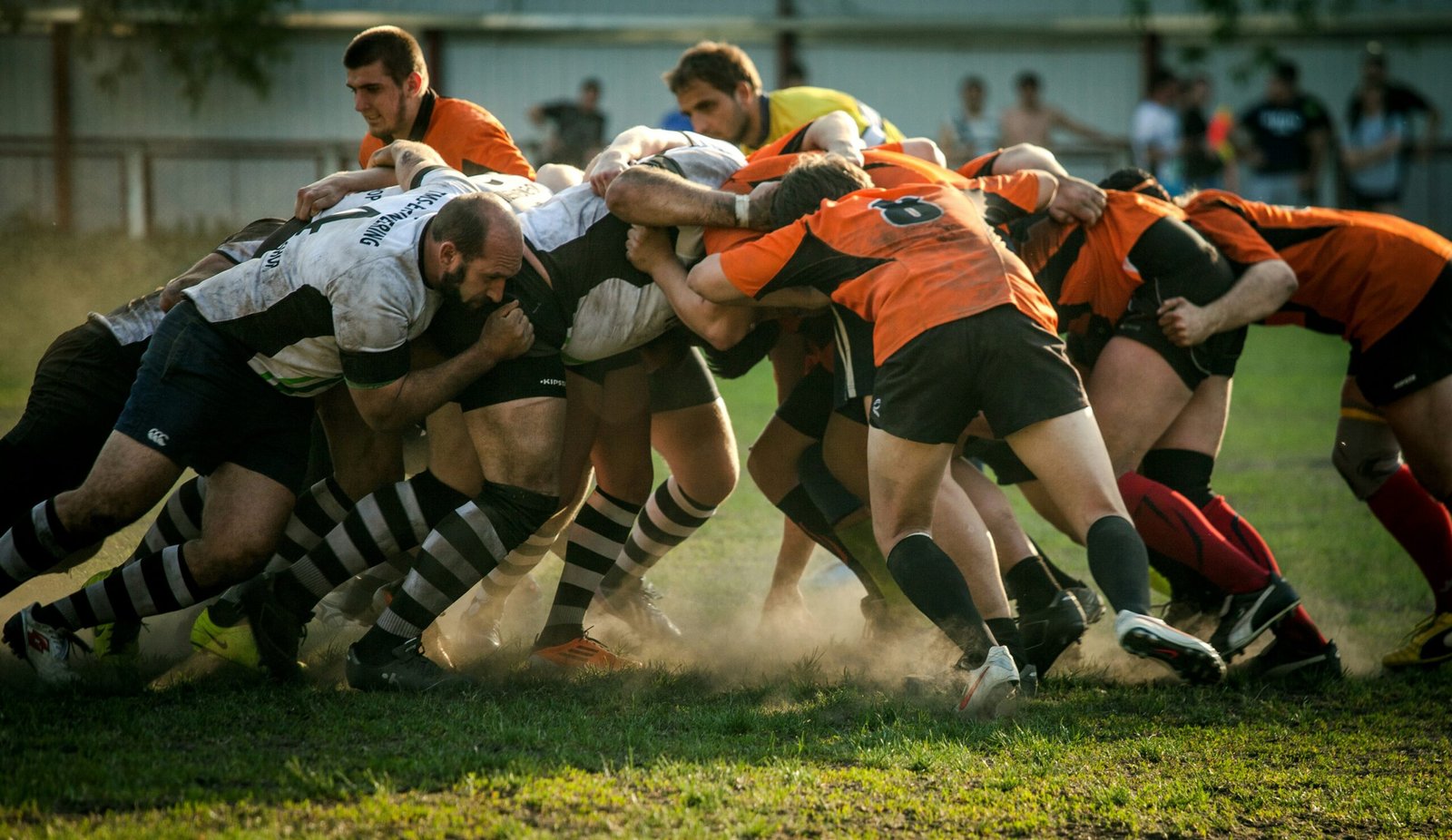
At first glance, rugby and American football look like close relatives. Both involve oval balls, tackling and teams trying to cross a line to score. Both also share a common ancestor in the football codes that developed in British schools in the nineteenth century. Yet the games feel very different once the whistle blows.
For fans in the UK, the NFL’s growing presence in London has prompted many to ask how the sport compares with rugby. For American viewers, the Rugby World Cup and Six Nations raise the same question in reverse. This guide compares the two games on rules, equipment, scoring, tactics and culture. Where the sport has more than one version, we focus on rugby union, the most widely played form, and mention rugby league where it helps.
A Shared History
Both sports trace their roots to variations of football played in English schools and universities in the 1800s. American football emerged in the late 1800s as colleges in the US adapted rugby rules, with Walter Camp, often called the “father of American football”, introducing changes such as the line of scrimmage and the system of downs.
Over time, the games moved in different directions. Rugby stayed closer to continuous play, while American football became a stop-start sport built around set plays.
Quick Comparison
| Feature | Rugby Union | American Football |
|---|---|---|
| Players on field | 15 per side | 11 per side |
| Match length | 80 minutes (two 40-minute halves) | 60 minutes (four 15-minute quarters) |
| Forward pass | Not allowed | Allowed |
| Protective equipment | Minimal (mouthguard, optional padding) | Helmet, shoulder pads and more |
| Main scoring play | Try (5 points) | Touchdown (6 points) |
| Substitutions | Limited, with replacements and tactical changes | Unlimited, with specialised units |
| Game flow | Continuous | Stop-start, with plays |
The Ball and the Field
The Ball
Both sports use an oval ball, but they are not identical. The rugby ball is rounder and larger, making it easier to carry, kick and pass in open play. The American football is more pointed, with laces, and designed to be thrown in a tight spiral.
The Field
A rugby pitch is generally larger than an American football field and has in-goal areas behind each goal line. An American football field is 100 yards long, with 10-yard end zones, and is marked with yard lines every five yards. The yard lines are central to the game because teams must advance a set distance to keep possession.
Number of Players and Team Structure
Rugby
A rugby union team has 15 players on the field. Eight are forwards, who contest scrums, lineouts and rucks. The other seven are backs, who tend to be faster and are responsible for running, passing and kicking. Players are generally expected to defend, attack and tackle, though specialised roles exist.
Teams can name replacements, and a squad usually includes eight, but substitutions are restricted by competition rules, meaning players who leave the field often cannot return.
American Football
An American football team has 11 players on the field at one time, but a squad is far larger, with the NFL using a 53-player roster and a smaller number of players active on game day. Teams are divided into three units:
- Offence: tries to advance the ball and score.
- Defence: tries to stop the offence.
- Special teams: handle kicking plays such as kickoffs, punts and field goals.
Substitutions are unlimited, so players can specialise. A quarterback, for example, may never play defence.
How Possession Works
Rugby: Continuous Contest
In rugby, possession can change hands at almost any moment. After a tackle, players from both teams contest the ball in a ruck, and play continues. A team keeps the ball as long as it can maintain it, and the contest for possession is part of the game.
The ball can only be passed sideways or backwards, which forces teams to advance through running, kicking and support play.
American Football: Downs
American football uses a system of downs. The offence has four attempts, or downs, to advance the ball at least 10 yards. If it succeeds, it earns a new set of four downs. If it fails, possession goes to the opponents. On fourth down, most teams punt or attempt a field goal rather than risk giving up the ball.
Each play begins at the line of scrimmage, with a set formation, and ends when the ball carrier is tackled, goes out of bounds or an incomplete pass is thrown. Then the teams reset.
The Forward Pass
The most important difference is the forward pass. In rugby, passing the ball forward is illegal and results in a scrum for the opposition. In American football, the offence can throw one forward pass per play, from behind the line of scrimmage.
This single rule explains much of the difference in tactics. American football depends on the quarterback, receivers and designed passing plays. Rugby depends on running angles, support lines, kicking and moving the ball laterally through a defensive line.
Scoring
Rugby Union
- Try (5 points): grounding the ball in the opponent’s in-goal area.
- Conversion (2 points): a kick at goal after a try.
- Penalty goal (3 points): a kick awarded after certain infringements.
- Drop goal (3 points): a drop kick during open play.
American Football
- Touchdown (6 points): carrying or catching the ball in the end zone.
- Extra point (1 point): a kick after a touchdown.
- Two-point conversion (2 points): a play from close range after a touchdown.
- Field goal (3 points): a kick through the uprights.
- Safety (2 points): tackling an opposing ball carrier in their own end zone.
Both sports reward tries or touchdowns most highly, but the way points are built differs. American football scores often include multiple drives and field goals, while rugby scores often come from sustained phases of play and territorial pressure.
Tackling Rules and Equipment
Equipment
American football players wear helmets, shoulder pads, hip and thigh pads and other protective gear. Rugby players wear minimal protection, normally a mouthguard and optional padded headgear or shoulder padding, which is designed to reduce abrasions rather than absorb heavy impact.
Tackling Technique
In rugby, tacklers must wrap their arms around the ball carrier, and tackles above the shoulder line are penalised. There is a strong emphasis on safe technique, since players have little padding.
In American football, tacklers can also use shoulder-led tackles, but rules prohibit certain contact, such as targeting the head or hitting defenceless players. Because the game stops after each play, collisions are often more concentrated and powerful.
Concussion and Player Safety
Both sports have faced scrutiny over head injuries. Each has introduced protocols, such as head injury assessments in rugby and independent medical consultants in the NFL, and has revised rules and tackle laws. Debate continues over whether either sport has done enough, and research is evolving, so readers should consult current guidance from governing bodies.
Pace and Tempo
Rugby is played with a continuous clock, with limited stoppages. The 80 minutes generally run without interruption except for injuries, scores and some decisions.
American football’s 60-minute game clock stops frequently, so an NFL game normally takes around three hours to complete. Between plays, teams huddle and call strategies, and commercial breaks are a major part of the broadcast experience.
Many viewers find rugby more fluid and American football more tactical and dramatic, with built-in pauses that make it easier to discuss strategy.
Set Pieces
Rugby has distinctive restarts:
- Scrums: eight forwards from each side bind together and push for the ball.
- Lineouts: players lift a teammate to catch the ball thrown in from the sideline.
- Kick-offs and restarts: used after scores or at the start of play.
American football uses more structured set plays, from the snap to kickoffs and punts, with special teams focusing on one-off moments that can change field position.
Rugby League Differences
Rugby league, popular in northern England and Australia, uses 13 players per side and a “six-tackle” rule that resembles American football’s downs. After six tackles, a team must hand over possession. For American fans, rugby league may feel closer to their familiar game than rugby union does.
Culture and Atmosphere
Rugby is known for its traditions of respect for officials, often showing discipline and politeness towards referees. Matches often end with teams applauding each other, and supporters mix freely in stadiums.
American football is built around spectacle, with tailgating, halftime shows and commercial branding. College football is a major tradition, and the Super Bowl is one of the biggest events in American culture.
Both sports have passionate followings, but the matchday experience can feel different.
Which Sport Is Easier to Learn?
Rugby has fewer set plays but more laws around the breakdown and scrum, which can be hard for newcomers. American football has more structure, but the system of downs, penalties and formations can seem complex at first.
Many beginners find American football easier to follow after learning the downs system. Others find rugby more intuitive because play rarely stops.
Conclusion
Rugby and American football share ancestry and some surface similarities, but they are fundamentally different games. Rugby is a continuous contest built on running, support play and the ban on forward passing. American football is a strategic sport of stop-start plays, specialised units and the forward pass.
Neither game is better than the other. They simply offer different pleasures. If you enjoy fast-flowing action and physical endurance, rugby may appeal. If you like tactical planning and set-piece drama, American football may be your game. The easiest way to decide is to watch both.